
St. Thomas vs. St. John: Which Island Is Right for You?
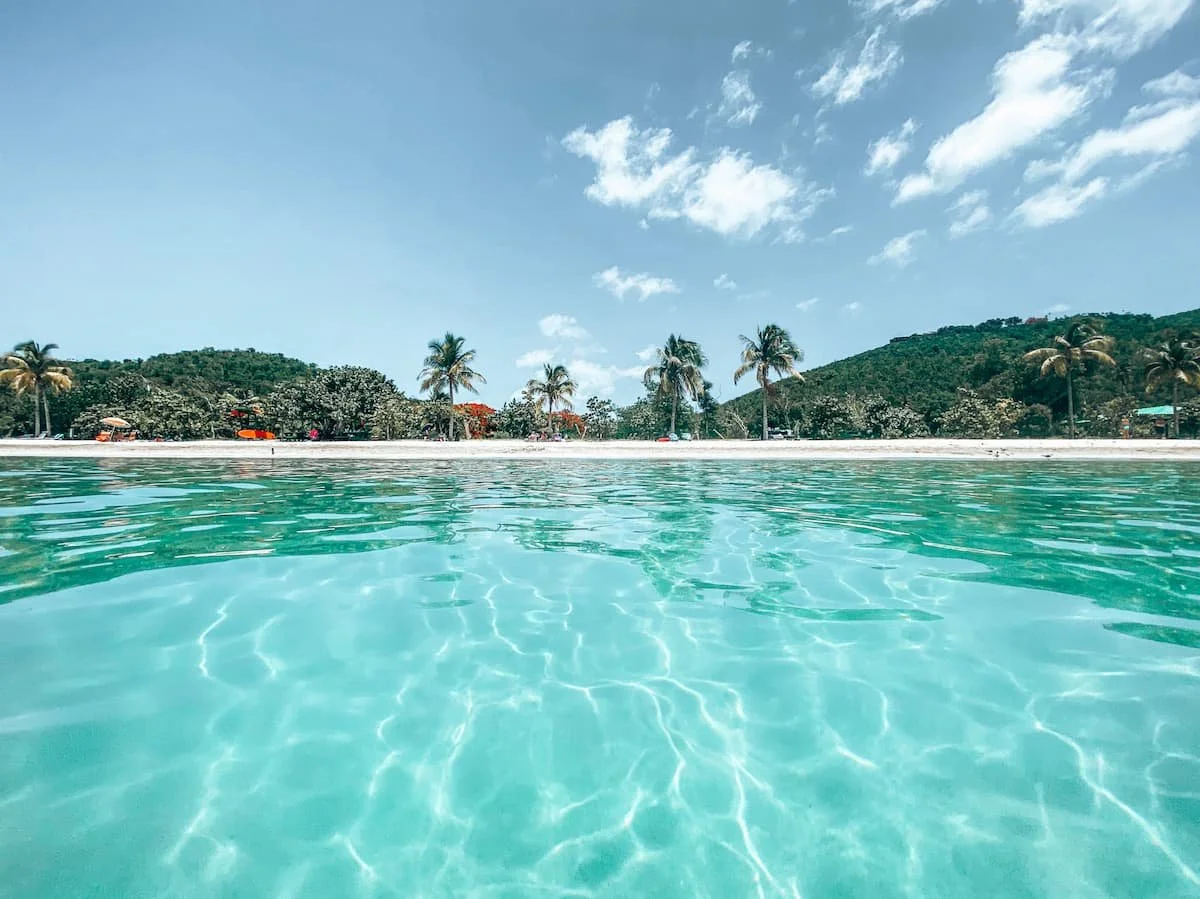
St. Thomas offers direct flights, resort variety, bustling nightlife, and easier logistics, making it ideal for first-time visitors and families who want options. St. John offers protected national parkland, world-class snorkeling, and secluded luxury villa experiences—best suited for couples, privacy-seekers, and travelers who want to slow down and connect with nature.
The US Virgin Islands require no passport from the US, offer direct flights from most major American cities, and deliver the kind of turquoise water that earns its reputation. But once you've decided on the USVI, a second decision follows quickly: St. Thomas or St. John?
These two islands sit just six miles apart, yet they offer fundamentally different experiences. St. Thomas is lively, well-connected, and built for convenience. St. John is quieter, more protected, and centered on natural beauty. Neither choice is wrong. The right one depends entirely on what kind of vacation you're after.
Key Takeaways:
St. Thomas suits travelers who want resort infrastructure, dining variety, and easy logistics
St. John appeals to those who prioritize privacy, untouched beaches, and curated luxury villa experiences
Both islands are accessible from the same airport, and a ferry between them takes roughly 20 minutes
Peak season runs December through April—book well in advance for either island
What Kind of Traveler Does St. Thomas Suit Best?
St. Thomas is the more developed of the two islands, and that's a genuine advantage for certain travelers. You land directly at Cyril E. King Airport (STT) and can be at your hotel or villa within 20 to 30 minutes. The island's Charlotte Amalie district offers duty-free shopping, waterfront dining, and a vibrant nightlife scene that extends well into the evening hours.
Coral World Ocean Park makes for a strong activity anchor, especially for families with younger children who want hands-on marine experiences. Magen's Bay delivers a mile-long stretch of calm, shallow water that's accessible and well-suited for a leisurely beach day. For those planning to charter a yacht, St. Thomas has multiple full-service marinas and the widest selection of charter options in the USVI.
St. Thomas also provides the broadest range of accommodation price points—from large all-inclusive resorts to mid-range hotels and private villas. If you're coordinating a large group with varying preferences, or if this is your first visit to the Caribbean, St. Thomas tends to be the easier starting point.
St. Thomas is the stronger choice if you:
Want direct airport access with no ferry transfers
Are traveling with teenagers or young children who need structured activities
Plan to dine out frequently or explore nightlife
Are visiting the USVI for the first time
What Makes St. John a Different Kind of Vacation?
St. John operates at a different pace. Two-thirds of the island falls under the protection of Virgin Islands National Park, which means limited commercial development, healthier marine ecosystems, and beaches that remain genuinely unspoiled. Trunk Bay's famous underwater snorkel trail draws visitors from around the world, while Cinnamon Bay and Salt Pond Bay offer equally stunning reefs with far fewer crowds.
Getting to St. John requires an extra step—a 20-minute ferry from Red Hook, St. Thomas, or a private water taxi for groups who prefer door-to-dock service. Many guests find the ferry ride itself becomes a highlight, watching the islands come into view across clear Caribbean water. Once you arrive in Cruz Bay, the island's compact main town, you're a short drive from most beaches and hiking trailheads.
Accommodations on St. John skew heavily toward private villas and boutique properties. There is one larger resort (a Westin), but the villa experience dominates here, and for good reason. A private villa on St. John gives you seclusion, personalized service, and views that no hotel lobby can replicate. That's precisely why Finisterre Estate was built where it is.
St. John is the stronger choice if you:
Prioritize natural beauty and uncrowded beaches over convenience
Want world-class snorkeling right off the shore
Are celebrating a honeymoon, anniversary, or milestone trip
Prefer in-villa dining and a quieter pace over restaurant-hopping
How Does the Accommodation Experience Differ Between the Islands?
St. Thomas villas and hotels tend toward sleek, contemporary design. Infinity pools, home theaters, and proximity to marinas are common selling points. The variety of accommodation types is wider, which means more options at different price points—but also more competition for the most coveted spots.
St. John's villa experience centers on something harder to manufacture: genuine immersion in the landscape and privacy. Properties here tend to feature open-air living spaces, natural stone and wood finishes, and terraces positioned for unobstructed ocean views. Access to protected reef beaches is often just minutes away.
Finisterre Estate sits perched above Chocolate Hole on a two-acre property, offering 270-degree views of Hart Bay, Rendezvous Bay, and Rams Head Point in the distance. The estate has six ocean-facing bedrooms, each with a private entrance and en-suite bathroom, designed so that every guest has space and privacy within a shared retreat.
The chef's kitchen seats up to 14 at an open oceanfront dining table, the billiard room has an authentic Brunswick pool table, and the private gym is fully equipped with free weights, a treadmill, and yoga equipment. From arrival to departure, Villa Manager and Concierge Jen Doran listens to each groups specific needs and handles the details. From a fully provisioned kitchen, a welcome spread, and so much more, a customized experience is built around your group's preferences.
It's quite the experience!
What Are the Best Activities on Each Island?
The activity profiles of these two islands reflect their different characters. St. Thomas leans into variety. You can go zip-lining in the morning, visit Coral World Ocean Park in the afternoon, and catch a live music sunset at a marina bar in the evening. Duty-free shopping in Charlotte Amalie draws visitors who want to make the most of the USVI's tax advantages on jewelry, spirits, and designer goods.
St. John's activities are built around the natural environment. Trunk Bay's underwater snorkel trail is a must, and the reefs across the island's north shore are among the healthiest in the Caribbean, thanks to national park protections. Virgin Islands National Park maintains several well-marked hiking trails with sweeping coastal views. For dining off-property, ZoZo's delivers Italian cuisine with sunset views over the water, and Ocean Grill offers waterfront seafood worth reserving well in advance.
One advantage worth noting: staying on St. John doesn't mean giving up St. Thomas entirely. The ferry runs regularly, and a day trip to St. Thomas for shopping or a yacht charter is easy to coordinate.
When Is the Best Time to Visit St. Thomas or St. John?
Both islands share the same weather patterns, so your timing decision applies equally to either choice. Peak season runs December through April, with the highest demand falling during the winter holidays and Presidents' Day week. Premium properties fill up six to twelve months in advance during this window.
Shoulder season—May and November—offers a favorable combination of excellent weather, better villa availability, and lower rates. Hurricane season officially runs from June through November, with September and October carrying the highest statistical risk. Most storms track south of the USVI, but it's worth keeping the timing in mind when planning a trip in those months.
For anyone considering Finisterre Estate specifically, checking availability early is always worthwhile, especially for peak dates.
FAQ
Q: What is the main practical difference between visiting St. Thomas and St. John?
A: St. Thomas has a direct-access airport and broader infrastructure, making logistics simpler. St. John requires a 20-minute ferry from St. Thomas after landing at STT, but has no airport of its own. Total travel time from the airport to a St. John villa typically runs 75 to 150 minutes depending on ferry timing and villa location.
Q: Which island offers better snorkeling?
A: St. John consistently offers better snorkeling. National park protections keep the reefs healthier and the water clearer. Trunk Bay's underwater snorkel trail is well-known, but local favorites like Cinnamon Bay, Salt Pond Bay, and Waterlemon Cay offer equally impressive reefs with fewer crowds.
Q: Can you visit both islands on the same trip?
A: Yes. The public ferry between Red Hook (St. Thomas) and Cruz Bay (St. John) runs regularly and costs around $10 to $15 per person. Private water taxis ($600 to $1,200 or more for a group) offer more flexibility. Many guests based on St. John take day trips to St. Thomas for shopping or yacht charters.
Q: What sets a St. John villa experience apart from a St. Thomas resort stay?
A: A private villa on St. John delivers personalized service, privacy, and natural surroundings that a resort environment cannot replicate. At Finisterre Estate, for example, guests arrive to a fully provisioned kitchen and a welcome spread, with a dedicated Villa Manager and Concierge available throughout the stay. There's no check-in desk or shared pool—just six ocean-facing suites, unobstructed views, and a trip built around your group's specific preferences.
Q: Is St. John right for families, or mainly for couples?
A: St. John suits both. Couples and honeymooners are drawn to the privacy and scenic beauty. Families with adventurous children who enjoy snorkeling, hiking, and beach days tend to thrive here as well. Families with younger children who need more structured activities and amenities may find St. Thomas easier to manage.
Which Island Fits Your Vacation?
St. Thomas and St. John each deliver a version of the Caribbean worth choosing. St. Thomas gives you convenience, variety, and the flexibility to keep busy. St. John gives you protection, seclusion, and the kind of stillness that's harder to find the more the world develops.
Both islands are accessible to US travelers without a passport, both offer exceptional water clarity, and both reward the people who show up with an open schedule. The real question is what you want to do with that schedule.
If your vacation looks like quiet mornings with Caribbean views, afternoon snorkeling off a protected reef, and evenings on a private terrace watching sailboats round Rams Head Point—Finisterre Estate is ready when you are.
Happy Planning,
The Team at Finisterre