
Is St. John Good for Families? Beaches, Hikes & Villas
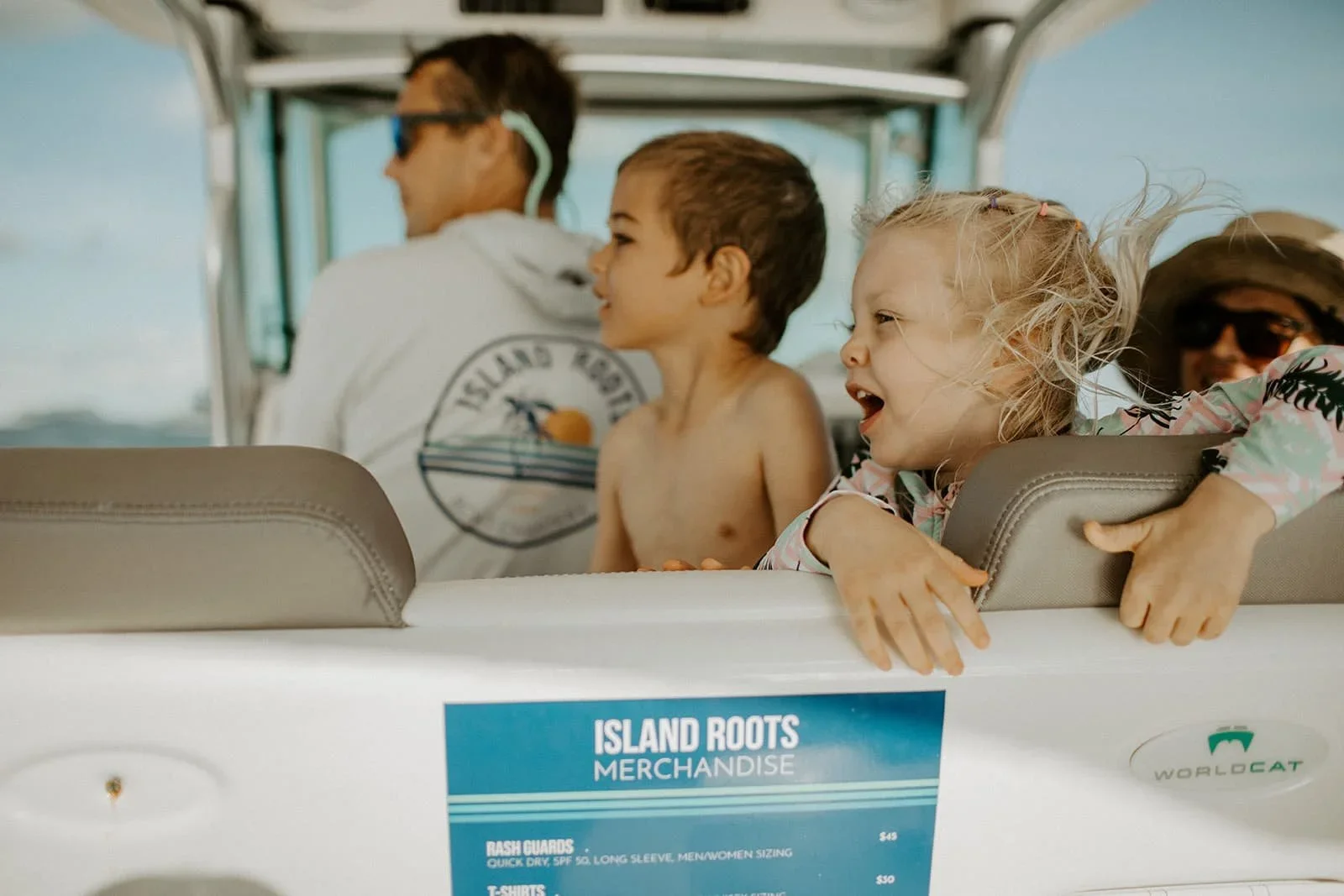
Image: Island Roots Charters
St. John, USVI, is one of the Caribbean's best destinations for families. With calm, shallow beaches like Trunk Bay and Maho Bay, beginner-friendly hiking trails through Virgin Islands National Park, and spacious villa rentals with full concierge service, St. John offers a safe, enriching, and genuinely fun experience for kids and parents alike.
St. John is the smallest of the three main US Virgin Islands—and arguably the most unspoiled. About two-thirds of the island is protected as Virgin Islands National Park, which means fewer crowds, cleaner waters, and a pace of life that actually lets families slow down and connect. No theme parks, no packed resort strips. Just turquoise bays, shaded trails, and the kind of quiet that makes a vacation feel like a vacation.
Families with children of all ages will find plenty to love here. The beaches are calm enough for toddlers, the hikes short enough for grade-schoolers, and the villas spacious enough that everyone gets their own space at the end of the day. And because St. John is a US territory, there are no passport requirements for US citizens—a practical bonus that cuts down on the planning stress.
This guide breaks down everything a family needs to know before visiting St. John: the best beaches, the most rewarding trails for kids, where to stay, how to eat, and how to keep everyone safe along the way.
Key Takeaways
Trunk Bay is St. John's most iconic family beach, featuring a lifeguard, snorkel trail, and calm, shallow water.
Maho Bay is the top spot for sea turtle sightings and is shallow enough for young swimmers.
Reef Bay Trail and Francis Bay Trail are the most family-friendly hikes on the island.
Finisterre Estate is St. John's premier luxury family villa, offering six bedrooms, full concierge service, and sweeping Caribbean views.
About 60% of St. John is protected as Virgin Islands National Park, keeping the island uncrowded and beautifully preserved.
No passport is required for US citizens traveling to the USVI.
What Are the Best Family-Friendly Beaches on St. John?
St. John has over 40 beaches — a remarkable number for an island you can drive across in under 30 minutes.
Not all are equally suited for young children, but the ones below consistently stand out for their calm conditions, shallow entries, and family-friendly amenities.
Trunk Bay: The Classic Family Beach
Trunk Bay is the postcard beach of St. John, and for good reason. The water is calm, clear, and turquoise. The sand is soft and white. A lifeguard is on duty during peak hours (typically 8 a.m. to 4 p.m.), which offers parents real peace of mind. There are also restrooms, a snack bar, and lounge chair rentals on-site.
The underwater snorkel trail is a highlight for older kids. Marked with plaques describing the coral and marine life, it turns a swim into a self-guided discovery experience. Entry to Trunk Bay requires a small fee for adults; children under 16 enter for free through the National Park.
Cinnamon Bay: Space, Shade, and Adventure
Cinnamon Bay is one of the longest beaches on St. John, which means families have room to spread out without feeling on top of each other. The beach is framed by sea grape trees that provide natural shade—useful when you have young children prone to sunburn.
Water sports rentals are available on-site, including kayaks and paddleboards, giving older kids and teens something active to do.
Maho Bay: Where Kids Meet Sea Turtles
Maho Bay is St. John's most beloved spot for wildlife encounters. Green sea turtles regularly feed on the seagrass beds just off the shoreline, and the water is shallow and calm enough that even young children can safely wade out to watch them. Snorkeling here requires no experience—just a mask and a little patience.
Arrive early to secure a shaded parking spot, as Maho Bay draws a crowd by mid-morning. There are no formal facilities, so pack snacks, sunscreen, and plenty of water.
What Are the Best Family-Friendly Hikes on St. John?
Hiking on St. John means hiking inside a national park, which keeps the trails well-maintained and clearly marked. The three trails below are the most suitable for families traveling with children.
Reef Bay Trail: History Meets Nature
The Reef Bay Trail is approximately 4.3 miles one-way and is rated moderate in difficulty. The trail descends through dry forest and moist forest ecosystems, passing sugar mill ruins and pre-Columbian petroglyphs carved into rock near a freshwater pool. For history-curious kids, this trail delivers something genuinely memorable.
The National Park Service periodically runs guided hikes with ranger-led interpretation—an excellent option for families who want context alongside the scenery. Note that the trail involves a steady descent going in, which means a climb on the return.
Francis Bay Trail: Easy, Flat, and Rewarding
At just under one mile round-trip, the Francis Bay Trail is one of the easiest on the island. The path runs through a bird-watching area and mangrove lagoon before opening onto Francis Bay beach.
Families with toddlers or children who are new to hiking will find this trail comfortable and rewarding. Bring binoculars—the birding here is exceptional.
Lind Point Trail: Short Views, Big Payoff
The Lind Point Trail begins near the Cruz Bay ferry dock and takes hikers to an overlook with panoramic views of the harbor and surrounding cays.
The trail is about 2.1 miles to the viewpoint and is rated easy to moderate. It's a great first hike for kids who haven't spent much time on trails, and the views at the top make the effort feel worthwhile almost immediately.
What Are the Best Kid-Friendly Villas and Accommodations on St. John?
Choosing the right accommodation is often what makes or breaks a family vacation. Hotels on St. John are limited, which is why most families opt for villa rentals—they offer the space, privacy, and kitchen access that traveling with children genuinely requires.
Finisterre Estate: Luxury Amidst Nature
Finisterre Estate is widely regarded as St. John's premier luxury villa rental, and it's a standout option for families looking for something truly exceptional. Set atop St. John's emerald seaside cliffs, the estate spans two acres and features six bedrooms, each decorated with unique tropical décor. The open communal spaces are designed specifically to accommodate groups—families can gather without feeling cramped, and children have room to roam.
The estate includes a private pool, breathtaking unobstructed views of the Caribbean Sea, and full concierge service through Villa Manager Jen Doran. From provisioning the kitchen before arrival to arranging excursions, the concierge experience removes the logistical friction that can weigh on family travel.
The Finisterre Estate was featured as a top "Where to Stay" pick in Town & Country's St. John Travel Guide, reinforcing its standing as one of the finest vacation rentals in the US Virgin Islands.
Other Family Villa Options on St. John
For families working with a broader range of budgets, VRBO and Airbnb list a wide selection of St. John villas across price points. When filtering options, prioritize properties with a private pool, full kitchen, multiple bathrooms, and proximity to Cruz Bay for easy access to groceries and restaurants.
Estates in the Coral Bay area tend to offer more seclusion, while Cruz Bay-adjacent rentals are more convenient for families with younger children who need supplies nearby.
Where Can Families Eat on St. John?
Dining with kids on St. John is low-key and genuinely enjoyable. Cruz Bay has the highest concentration of restaurants and is walkable from the ferry dock. Extra Virgin Bistro is a local favorite with a diverse menu and a welcoming atmosphere.
For a more casual experience, Sun Dog Café in Mongoose Junction serves sandwiches and salads in a relaxed courtyard setting. Families staying in villas with full kitchens will also find it easy to shop at Starfish Market in Cruz Bay, which stocks a solid range of groceries and fresh produce.
What Water Activities Are Best for Families Visiting St. John?
Beyond snorkeling at Trunk Bay and Maho Bay, St. John offers several excursions that work well for families with children of various ages.
Catamaran day sails departing from Cruz Bay frequently visit sites like Waterlemon Cay and the BVI (for non-US visitors), with snorkeling, swimming, and lunch included.
Kayaking is available through several outfitters and is suitable for children as young as six with a parent present. Paddling around Honeymoon Beach from Cruz Bay is a popular half-day option.
Paddleboarding lessons are available for older children and teens, with calm bays providing safe learning conditions.
Glass-bottom boat tours are a great low-effort option for younger children who aren't ready to snorkel but still want to see marine life.
What Safety Tips Should Families Know Before Visiting St. John?
St. John is generally considered very safe for families, but a few practical precautions will make the trip smoother.
Sun protection is non-negotiable. The Caribbean sun is significantly stronger than in most US mainland locations. Apply reef-safe sunscreen every 90 minutes and keep young children in UV-protective swimwear.
Use reef-safe products only. Virgin Islands National Park regulations require reef-safe sunscreen to protect coral. Choose mineral-based options (zinc oxide or titanium dioxide).
Stay hydrated. The heat and humidity can cause dehydration quickly, especially during hikes. Carry more water than you think you'll need.
Check surf conditions before beach days. While most St. John beaches are calm, some exposed beaches can have stronger surf. Check with local outfitters or your villa concierge before visiting lesser-known spots.
Respect wildlife distances. At Maho Bay in particular, instruct children not to touch or chase sea turtles. Federal law protects sea turtles, and maintaining distance ensures the animals continue using the bay.
Frequently Asked Questions About Visiting St. John with Kids
Q: Do US citizens need a passport to visit St. John, USVI?
A: No. St. John is part of the US Virgin Islands, a US territory. US citizens do not need a passport to travel there, though a government-issued photo ID is required. A birth certificate and ID are sufficient for children.
Q: What is the best time of year to visit St. John with a family?
A: The most popular window is mid-December through April, when rainfall is lowest and temperatures are mild (around 77–85°F). Shoulder seasons (May and November) offer quieter beaches and lower villa rates, though there is a slightly higher chance of rain.
Q: How do families get around St. John?
A: Most families rent a jeep or SUV for the duration of their stay. St. John's roads are hilly and unpaved in places, so a higher-clearance vehicle is recommended. Taxis are also widely available and operate on a fixed-rate system from the Cruz Bay ferry dock.
Q: Is St. John safe for young children at the beach?
A: Yes, particularly at beaches like Trunk Bay, Maho Bay, and Cinnamon Bay, which have calm, shallow water suitable for young swimmers. Trunk Bay also has a lifeguard on duty during peak hours, making it an especially secure option for families with toddlers.
Q: Are there grocery stores and pharmacies on St. John?
A: Yes. Starfish Market in Cruz Bay is the main grocery store and is well-stocked for day-to-day family needs. A pharmacy is also located in Cruz Bay. Families staying in villas with full kitchens will find it easy to self-cater for most meals.
St. John Is Ready for Your Family — Is Your Family Ready for St. John?
Few Caribbean destinations match St. John's combination of natural beauty, safety, and genuine family appeal. The beaches are calm and accessible. The trails are manageable. The villa options — particularly Finisterre Estate — offer the space and service that make traveling with children feel effortless rather than exhausting.
The island rewards families who slow down, explore its national park trails, and take the time to watch sea turtles from the shore at Maho Bay. Start by checking availability at Finisterre Estate and build your itinerary from there. The Caribbean is waiting.
Happy Planning,
The Team at Finisterre